They came from different countries, studied different fields, and carried different dreams. But they shared one thing: a second chance that changed everything.
Every young person deserves a future.
But for millions of young Africans — especially those from marginalized backgrounds — the path to that future is blocked by barriers that feel insurmountable. Poverty. Disability. Rural isolation. Early dropout. Gender inequality. The list goes on.
The FAWE/Mastercard Foundation Second Chance Pathways for Increased Access to Tertiary Education for Marginalized Young Women and Men Program exists to remove those barriers. To open doors that were once closed. To say to young people who have been left behind: You are not forgotten. Your future is not over. It is just beginning.
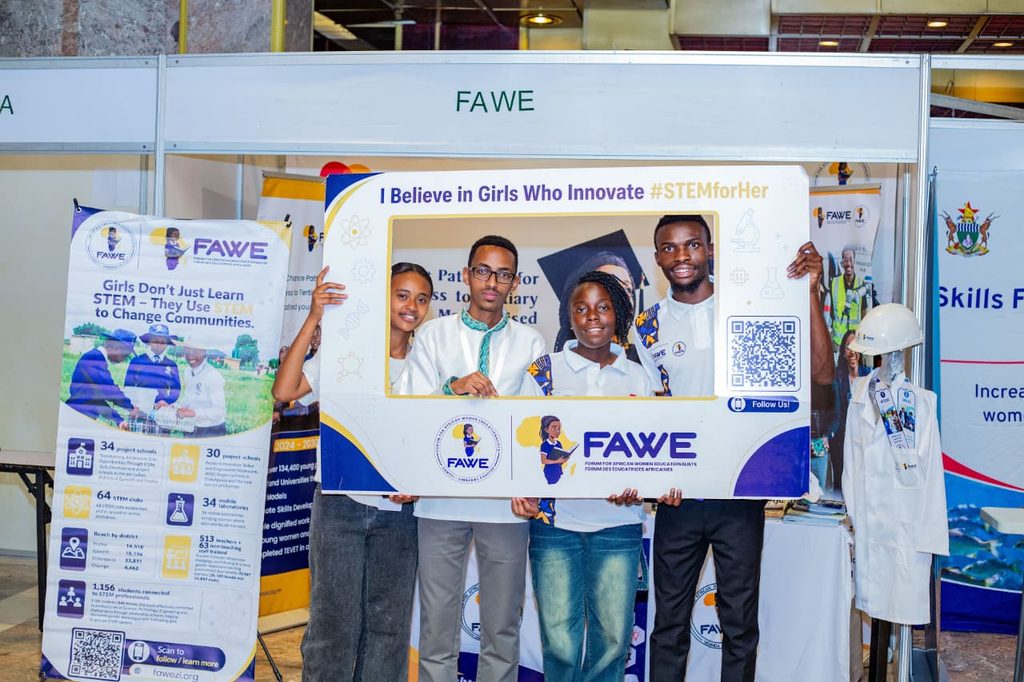
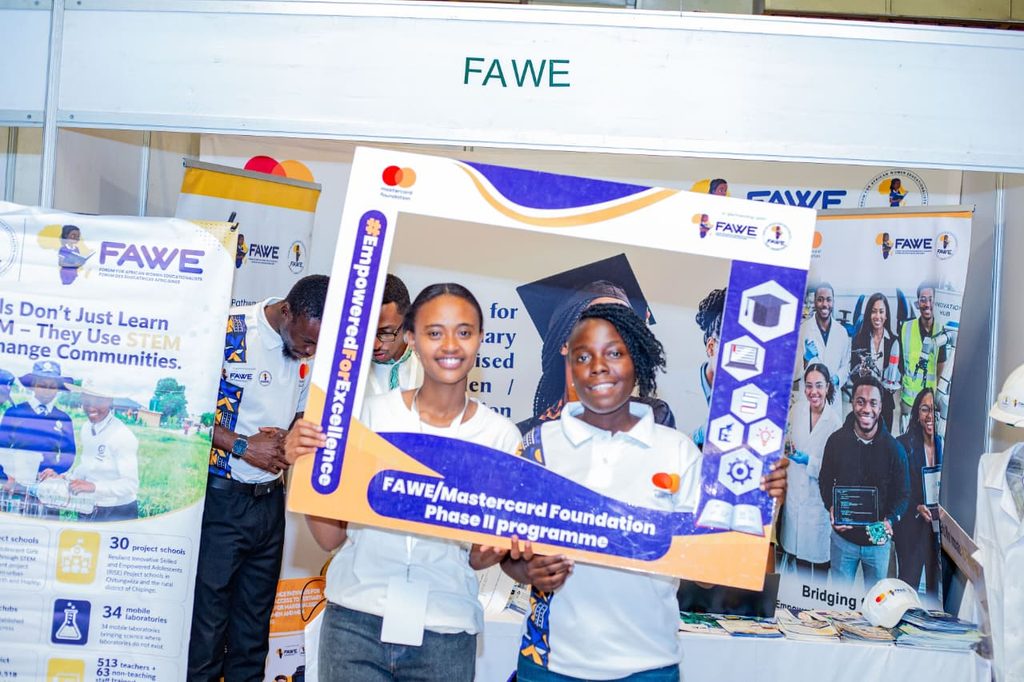
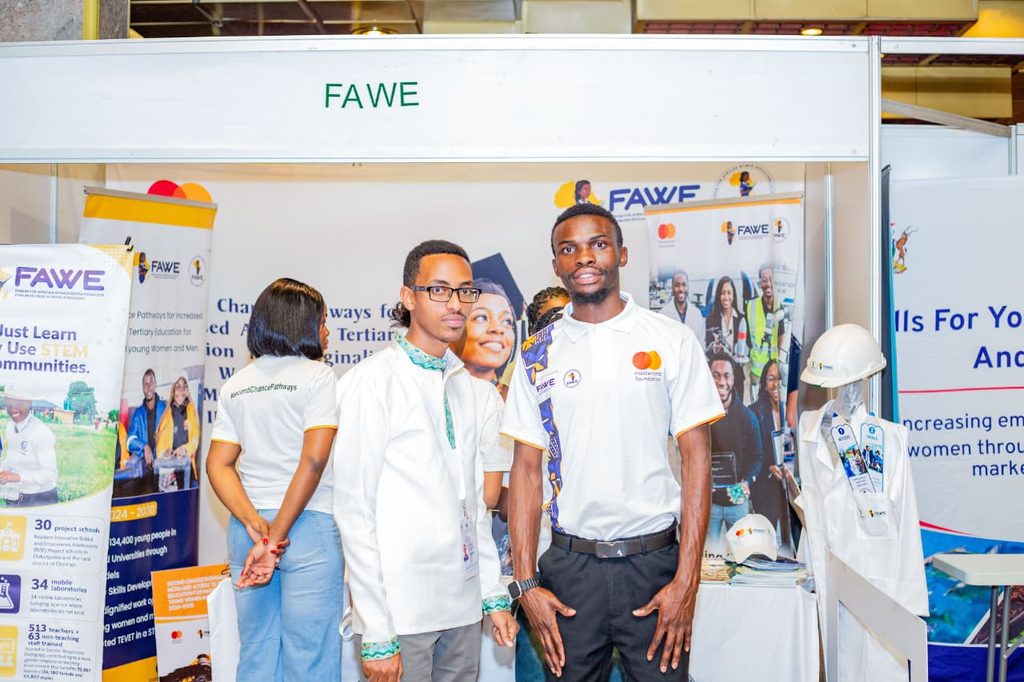
And at the 3rd Africa Skills Week 2026 in Harare, Zimbabwe, five young beneficiaries of this transformative program showed the world what happens when second chances are given — and taken.
Their names are James, Agernesh, Tatenda, Tshamala, and Yosef. These are their stories.
James Sichone: The Future Educator Using ICT to Transform Learning
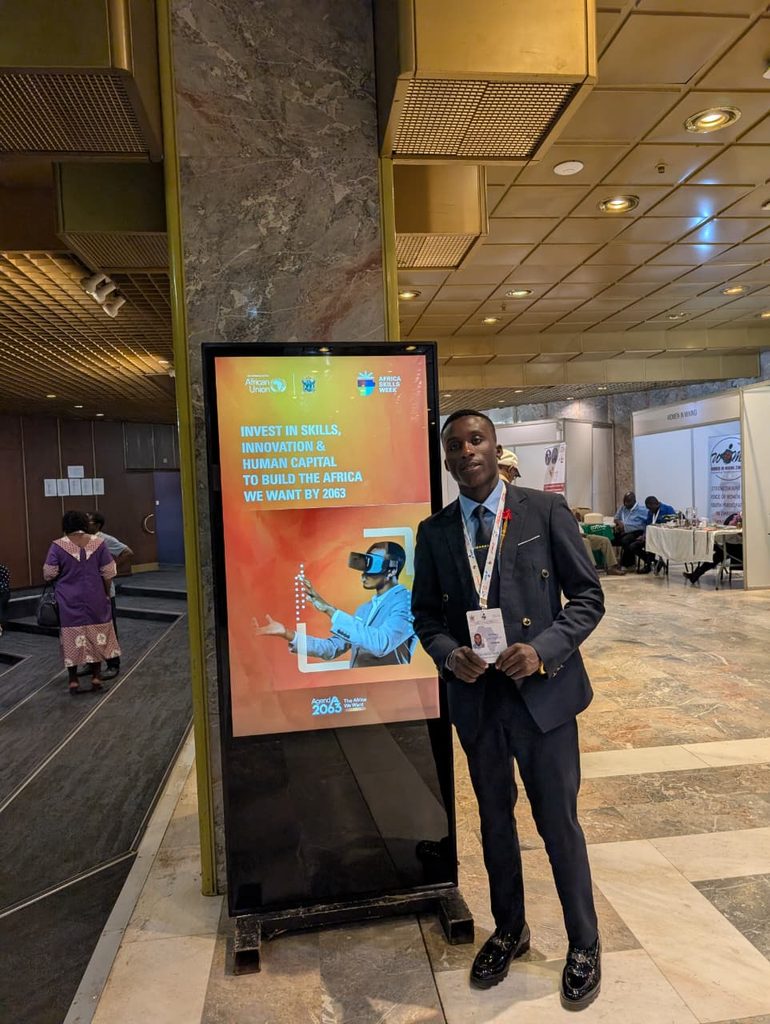
James Sichone is a third-year student specialising in Mathematics and ICT with Education at the University of Zambia, in association with Malcolm Moffat College of Education. A proud member of the FAWE Zambia chapter and a Mastercard Foundation beneficiary through FAWEZA, James is passionate about education, digital innovation, entrepreneurship, and youth empowerment.
For James, the 3rd Africa Skills Week 2026 was more than a conference. It was a continental awakening.
“The theme, ‘Skills for Resilient and Competitive African Industries: From Training to Value Creation,’ particularly resonated with me because it emphasised an important reality: training alone is not enough,” he says. “The knowledge and skills young people acquire must translate into practical solutions, innovation, productivity, entrepreneurship, and measurable value for society.”
James plans to become an educator who connects classroom learning with practical applications — a teacher who doesn’t just prepare students for exams, but for life. He is committed to strengthening his digital competencies, promoting relevant education, and exploring initiatives that transform knowledge into meaningful solutions.
“Africa’s future will not be shaped by training alone,” he says, “but by our ability to transform skills into innovation, innovation into value, and value into sustainable opportunities for our people.”
Agernesh Mekonnen: The Young Woman Bringing Safe Water to Her Community
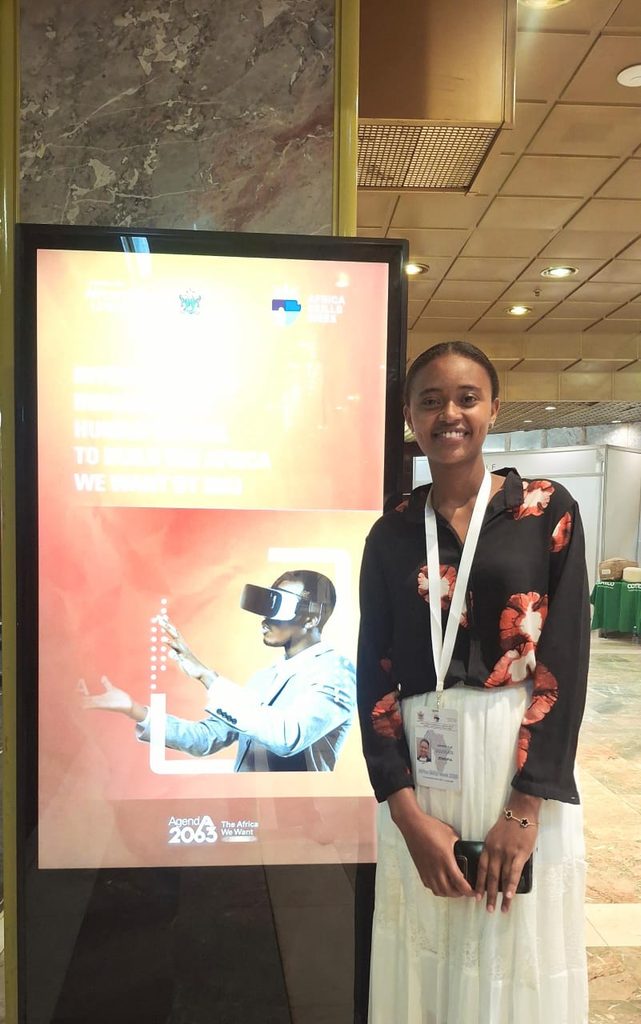
Agernesh Mekonnen is a student of Water Supply and Sanitation at Hawassa Polytechnic College and a representative of FAWE Ethiopia. She is passionate about skills development and improving access to safe water and sanitation in her community.
For Agernesh, the 3rd Africa Skills Week 2026 was a platform for connection and learning.
“My experience was inspiring, insightful, and enriching,” she says. “The event provided a valuable platform to engage with young people, professionals, policymakers, and other stakeholders who are passionate about skills development, innovation, entrepreneurship, and youth empowerment in Africa.”
Agernesh learned that skills development should go beyond theoretical knowledge and focus on practical skills, innovation, problem-solving, and lifelong learning. She also learned that collaboration among governments, educational institutions, the private sector, and young people is essential for creating sustainable solutions.
“I plan to apply these lessons by continuously upgrading my skills, sharing the knowledge I gained with others, and seeking opportunities to participate in initiatives that promote skills development, youth empowerment, and entrepreneurship,” she says.
Ultimately, Agernesh hopes to use her experience to contribute positively to her community and support broader efforts to build a skilled, innovative, and empowered African workforce.
Tatenda Fungai Mudengu: The Engineer Breaking Barriers in a Male-Dominated Field
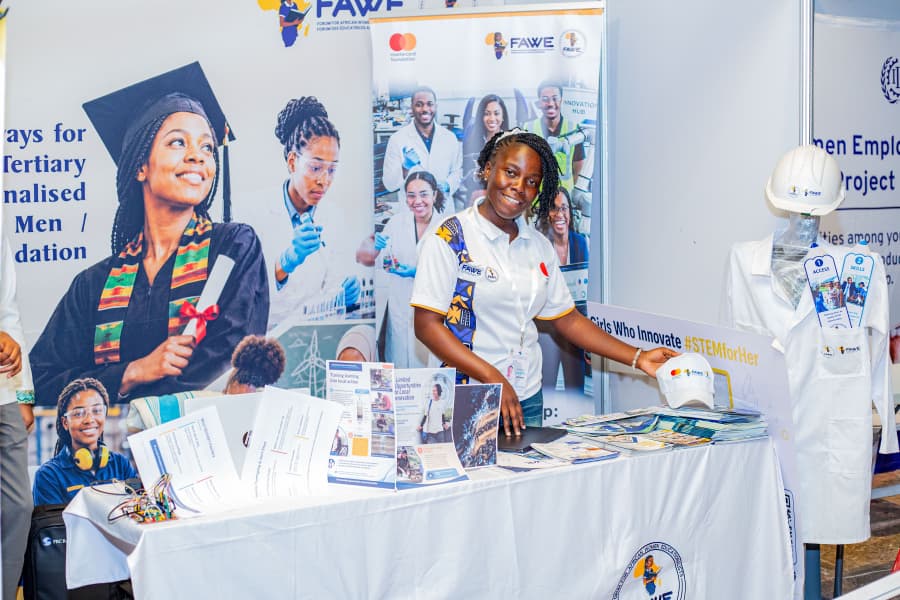
Tatenda Fungai Mudengu is a civil engineering student at Harare Polytechnic and a participant in the FAWE/Mastercard Foundation Second Chance Pathways Program. She is a young woman entering a male-dominated industry — and she is determined to succeed.
For Tatenda, the 3rd Africa Skills Week 2026 was a moment of belonging.
“I felt what it feels like to be part of an African team pursuing skills that will put Africa on the map,” she says. “I met many female engineers who succeeded, and this encouraged me to do all things related to gaining skills that will someday help me uplift and give back to the community I came from.”
Tatenda’s confidence grew at Africa Skills Week 2026. She met people from different African countries and international countries with different types of skills, some related to her program. She felt encouraged to continue excelling in what she is doing.
Her mission is clear: to use her engineering skills to uplift her community and inspire other young women to pursue careers in STEM.
Tshamala Paul: The Innovator Building Houses from Plastic Bottles
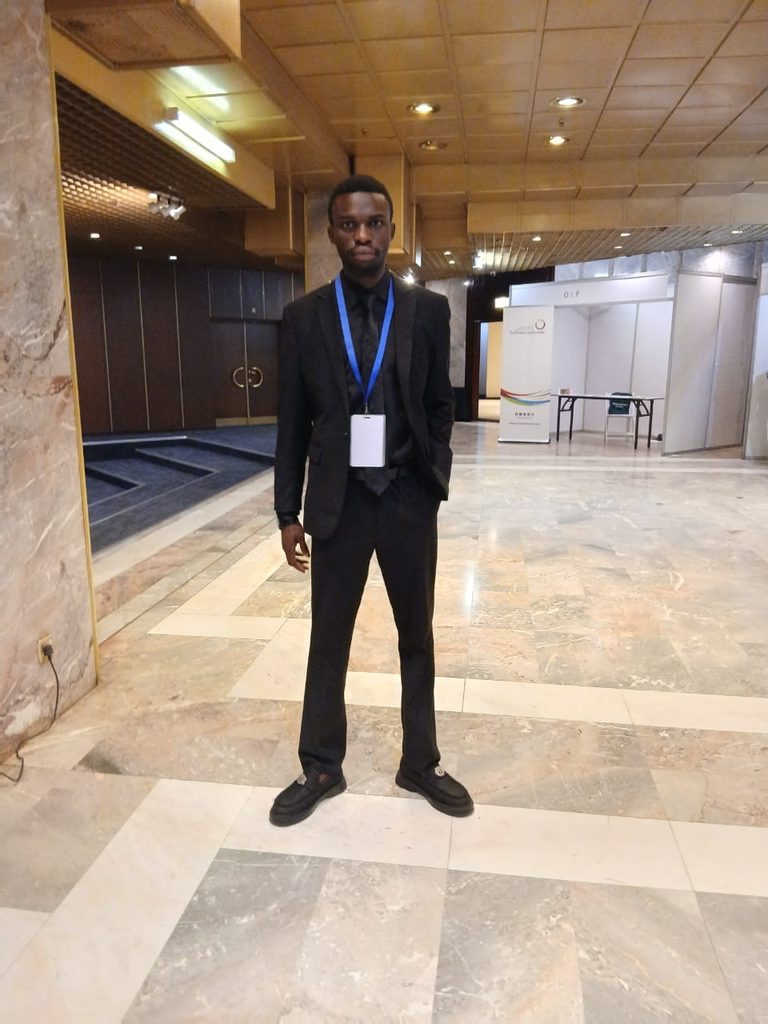
Tshamala Paul is a first-year civil engineering student at Harare Polytechnic and a participant of the FAWEZI program under the FAWE/Mastercard Foundation Phase 2 Program in Zimbabwe. He is a young man with a bold vision: to turn waste into infrastructure.
At the 3rd Africa Skills Week 2026, Tshamala gained more than knowledge. He gained clarity.
“I had the chance to interact with many organizations from around the world, including NGOs, government institutions, and groups that work with marginalized young people,” he says. “Seeing so many people committed to the same goal was motivating and reminded me that my work is part of a bigger movement across Africa and beyond.”
Tshamala is already putting his lessons into practice. Under the FAWEZI Mastercard Foundation Programme 2, he is developing a low-cost construction project that uses empty plastic bottles as building materials. The project addresses environmental waste management while providing affordable construction solutions.
“I learned that real change comes from turning ideas into action and working together,” he says. “I am committed to applying these lessons to create a positive impact in my community and beyond.”
Yosef Dechasa: The Technician Powering Africa’s Industries
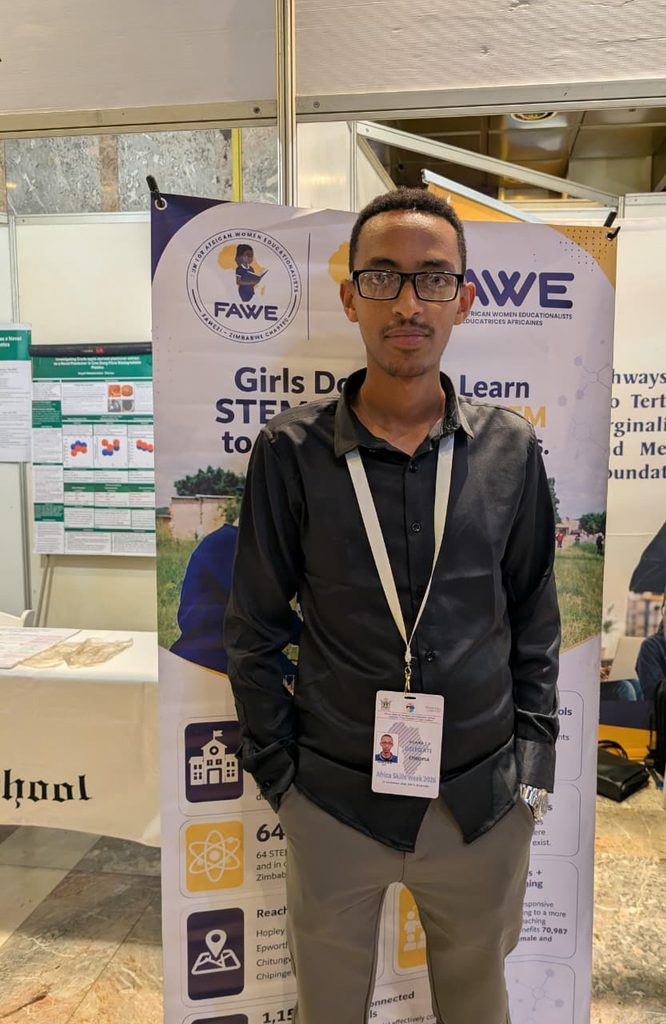
Yosef Dechasa is a student of Automotive Electrical and Electronics at Addis Ababa Tegbare-id Polytechnic College and a participant of FAWE Ethiopia under the FAWE/Mastercard Foundation Phase 2 Program. He is passionate about technical and vocational education and training (TVET) and its role in Africa’s development.
For Yosef, the 3rd Africa Skills Week 2026 was inspiring, educational, and memorable.
“It provided me with an opportunity to connect with people from different countries, learn about innovative skills development initiatives, and explore how TVET can contribute to Africa’s development,” he says.
Yosef learned that skills development should go beyond theoretical knowledge and emphasize practical skills, innovation, and real-world problem-solving. He also learned that collaboration and sharing experiences across countries are essential for advancing Africa’s development.
“I plan to apply these lessons in my studies and technical projects by developing practical solutions to community challenges and encouraging other young people to use their skills and creativity to make a positive impact,” he says.
The Power of a Second Chance
Five young people. Five different stories. One shared program.
The FAWE/Mastercard Foundation Second Chance Pathways for Increased Access to Tertiary Education for Marginalized Young Women and Men Program is not just about education. It is about transformation. It is about removing barriers and opening doors. It is about believing in young people who have been overlooked, underestimated, and left behind — and giving them the tools, support, and opportunities they need to thrive.
James, Agernesh, Tatenda, Tshamala, and Yosef are proof that this approach works.
They are proof that marginalized young people, when given access to education and skills development, can become innovators, entrepreneurs, educators, engineers, and leaders. They are proof that second chances can change lives — and that changed lives can change communities, countries, and continents.
Their stories are also a reminder of the importance of initiatives like the 3rd Africa Skills Week 2026, which brought together young people from across the continent to learn, share, and connect. The event provided a platform for beneficiaries to engage with policymakers, educators, and industry leaders — and to see themselves as part of a larger movement for Africa’s development.
But perhaps the most powerful message from these five young people is this: they are not just beneficiaries. They are contributors.
They are not waiting for change. They are creating it. They are not asking for handouts. They are building solutions. They are not focused only on their own success. They are determined to uplift others.
“I want my learning journey to produce more than academic qualifications,” James says. “I want it to equip me with the capacity to create solutions, support others, and contribute to a future in which young Africans can participate meaningfully in the development of their communities and industries.”
That is the heart of the Second Chance Pathways Program. That is the promise of Africa’s youth. And that is the future we are building — together.