This June, on the 20th, as the world commemorated World Refugee Day under the global theme “Until Everyone Is Safe,” FAWE Africa and its chapters across the continent reaffirmed their unwavering commitment to ensuring that no refugee learner is left behind. From the Tongogara Refugee Settlement in Zimbabwe to the Dadaab refugee complex in Kenya, and from the Mauritanian refugee communities in Richard Toll, Senegal, to the Sherkole Refugee Camp in Ethiopia, FAWE brought together governments, communities, and development partners in a powerful demonstration of solidarity. Through the FAWE/Mastercard Foundation Phase II Programme and the GPE-KIX TUSEME Project, we continue to transform the lives of displaced young people, proving that education remains the most powerful pathway to dignity, hope, and lasting opportunity.
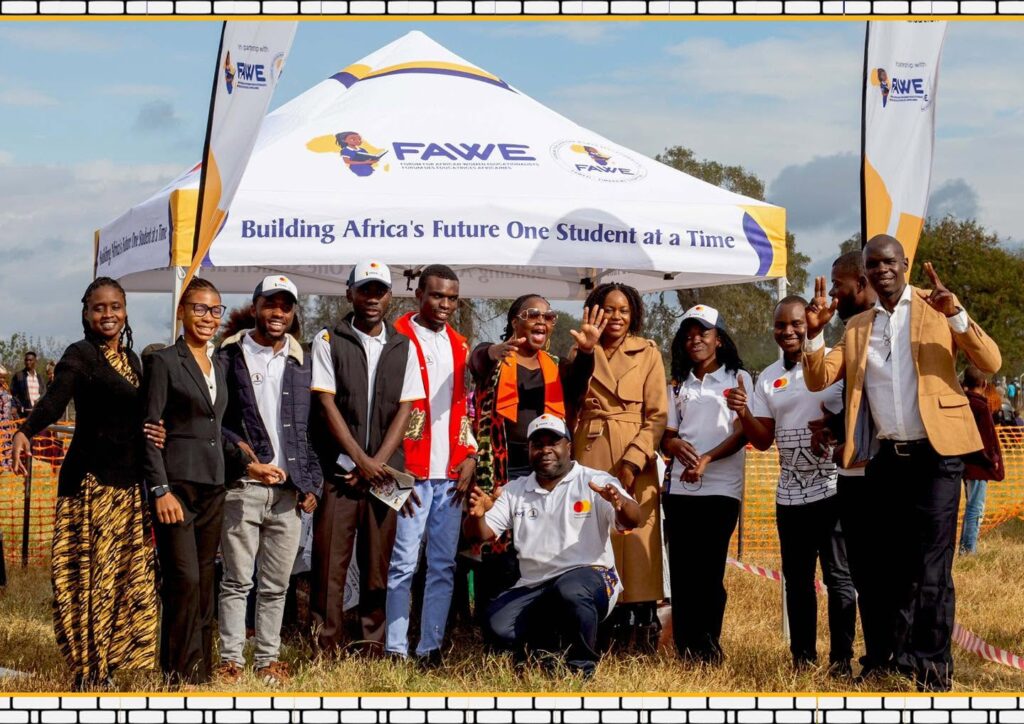
At the Tongogara Refugee Settlement, FAWE Africa, represented by Deputy Executive Director and Head of Programmes Ms. Teresa Omondi-Adeitan, joined forces with FAWE Zimbabwe and its Executive Director Ms. Lydia Madyirapanze, alongside the Government of Zimbabwe, refugee communities, and development partners. The commemoration was a powerful moment to reaffirm our collective promise that refugee status should never determine a young person’s future. Through the Second Chance Pathways Programme, 192 students in Zimbabwe are currently benefiting, including 13 refugee young women and men—10 of whom are from Tongogara Refugee Settlement—pursuing STEM programmes at five polytechnics and one technical teacher’s college. As Ms. Omondi-Adeitan reminded us, solidarity means investing in education, skills development, and opportunities that empower refugees to learn, thrive, and contribute meaningfully to their communities.
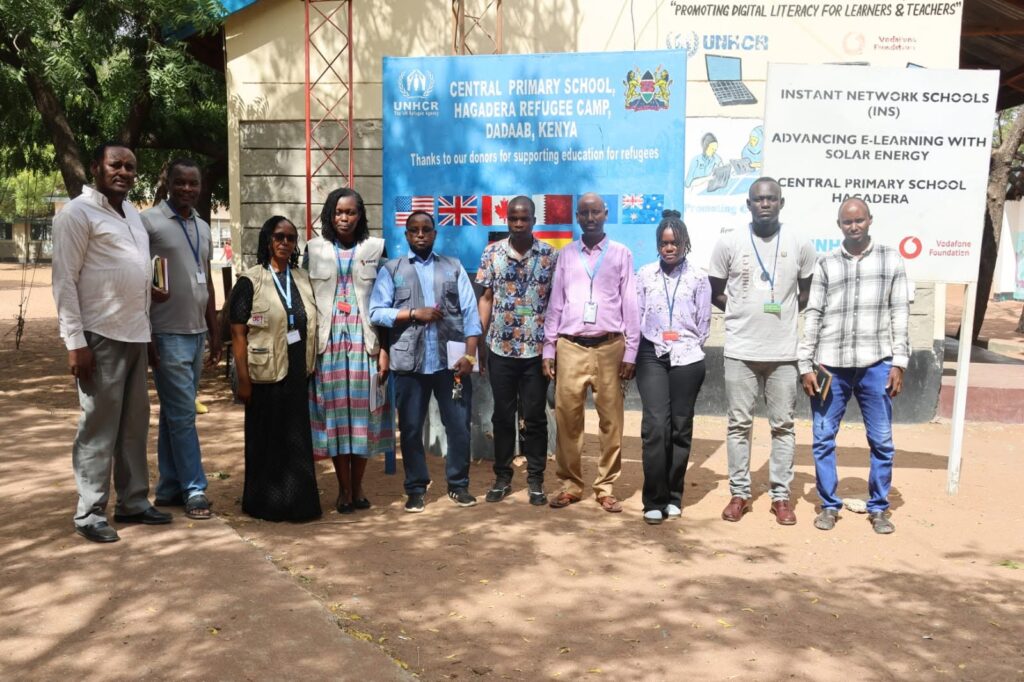
In Garissa County, the GPE-KIX TUSEME Project brought together representatives from the Ministry of Education, teachers, school leaders, parents, learners, civil society organizations, and development partners at Central Hagadera Comprehensive School. The dialogue, convened by FAWE Africa in collaboration with FAWE Kenya Chapter and HERS-EA, addressed persistent challenges affecting refugee learners: poverty, linguistic barriers, teenage pregnancy, and deep-rooted cultural norms that continue to undermine girls’ education. Participants acknowledged the transformative impact of TUSEME Clubs—whose name means “Let Us Speak Out” in Kiswahili—and called for scaling up the intervention to more schools. The Ministry of Education reaffirmed its commitment to supporting the project, recognizing that when refugee voices are heard and empowered, real change follows.
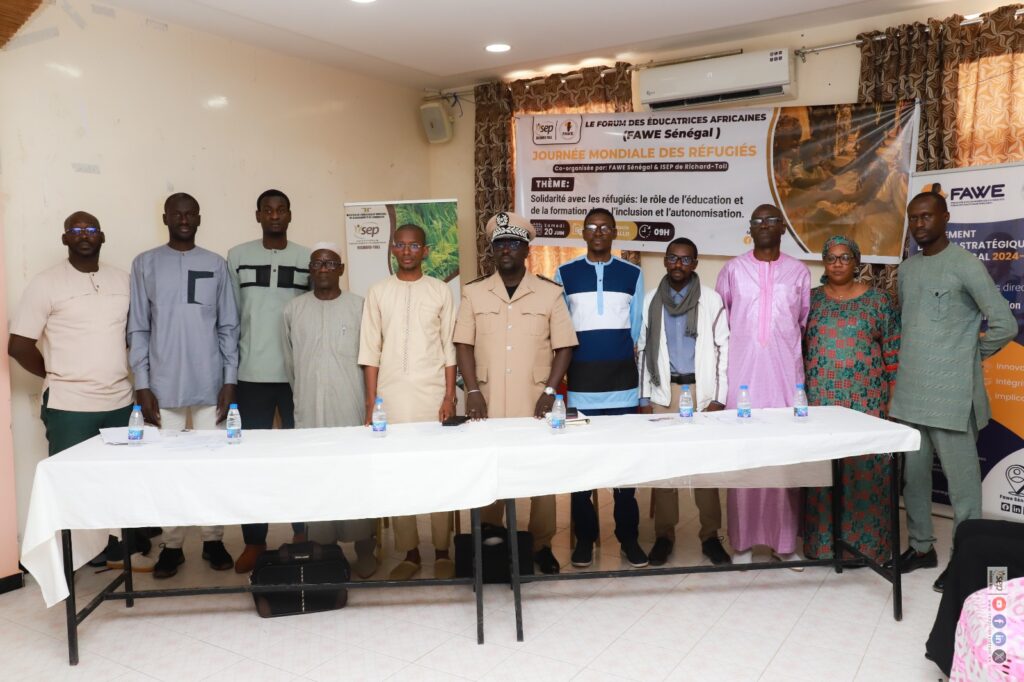
In Richard Toll, FAWE Sénégal organized a memorable event under the theme “Solidarity with Refugees: The Role of Education and Training in Inclusion and Empowerment.” The ceremony brought together refugees from Mauritania now living in Senegal, students from local schools and ISEP in the Saint-Louis region, imams, neighborhood leaders, community advisors, parents, and learners. Presided over by Mr. Abib Mbaye, Deputy Sub-Prefect of Mbane, the event highlighted the critical importance of education as a driver of refugee integration and empowerment. The FAWE Regional Secretariat was represented by Mr. Birane Diarra, Communications Officer, while FAWE Senegal’s Programmes Officer, Mr. Serigne Modou Kara Diop, and Monitoring and Evaluation Officer, Mr. Mamadou Mbaye, presented the objectives of the Phase II Programme. The ceremony reaffirmed FAWE’s commitment to offering every young refugee a second chance through technical and vocational education and training (TVET), recognizing that education is the key to a dignified and inclusive future.
As part of the GPE KIX TUSEME Project, FAWE Ethiopia convened World Refugee Day at Sherkole Secondary School in Sherkole Refugee Camp, Assosa, under the theme “Solidarity with Refugees.” The event brought together refugee and host community students, school administrators, RRSEthiopia Official representatives, and key stakeholders to reflect on the realities affecting learners in displacement settings. Discussions centered on challenges including gender-based violence, limited access to education, economic pressures, language barriers, harmful traditional practices, and unequal perceptions of girls’ education. A powerful TUSEME Club student-led drama highlighted lived experiences in refugee settings, demonstrating how student voice, dialogue, and confidence-building can drive meaningful change. Participants jointly explored practical solutions to strengthen inclusion, protection, and meaningful participation in education.
Across all four commemorations, one message rang clear: education is the most powerful tool for restoring dignity and unlocking potential for refugee youth. The FAWE/Mastercard Foundation Phase II Programme—implemented across 10 African countries—continues to remove barriers that prevent vulnerable young people from pursuing higher education and skills training, with a specific focus on refugees and persons with disabilities. Through technical and vocational education, STEM training, and the transformative power of TUSEME Clubs, refugee learners are not only accessing education but are becoming leaders, advocates, and active contributors to their communities. As we reflect on World Refugee Day 2026, we recognize that solidarity with refugees must go beyond words and translate into concrete actions that expand access to learning, skills development, and sustainable livelihoods. FAWE Africa remains steadfast in its belief that every refugee learner deserves the chance to learn, lead, and thrive—especially girls and young people with disabilities. The commemorations in Zimbabwe, Kenya, Senegal, and Ethiopia were not merely events but powerful affirmations of our shared humanity and collective responsibility. We extend our deepest gratitude to the Government of Zimbabwe, the Ministry of Education in Kenya, the Government of Senegal, RRSEthiopia, the Mastercard Foundation, the GPE-KIX Programme, HERS-EA, the Lutheran World Federation, and all our partners who make this work possible. Together, we stand in solidarity with refugees—until everyone is safe.