FAWE Nigeria Contributes to National Policy and Programme Development
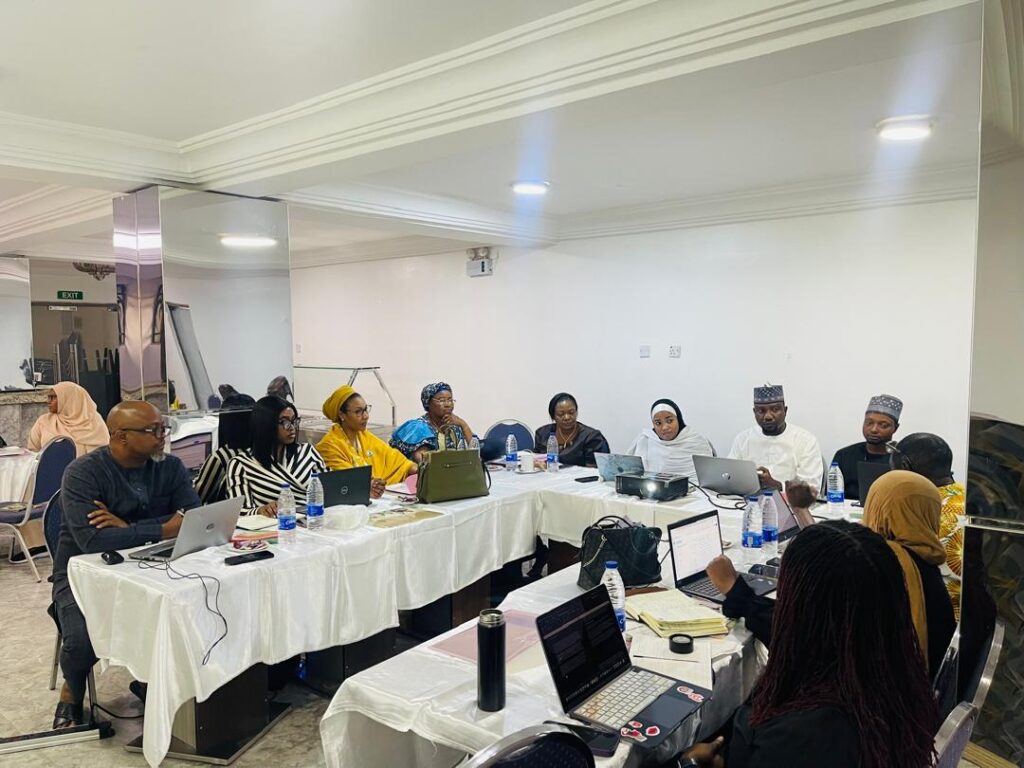
The Forum for African Women Educationalists national chapter in Nigeria—FAWE Nigeria—has reaffirmed its leadership in advancing inclusive education by actively participating in a series of high-level technical meetings convened by the Universal Basic Education Commission.
These strategic engagements focused on strengthening alternative education pathways for girls across Nigeria, particularly those who are marginalized, out of school, or facing systemic barriers to formal education.
The initial meeting brought together key education stakeholders to harmonize existing policy documents related to the education of the girl-child. This process led to the development of draft National Alternative Education for Girls Implementation Guidelines under the LUMINAH Programme—marking a significant step toward establishing a cohesive and responsive policy framework.
These guidelines aim to provide structured, inclusive, and flexible learning pathways that address the diverse realities of girls who are unable to access or complete formal schooling, thereby expanding opportunities for equitable education.
Building on this progress, a subsequent technical session convened stakeholders to critically review and refine the draft guidelines. The collaborative process ensured that the framework is not only technically sound but also contextually relevant across Nigeria’s diverse socio-cultural and geographic settings.
The emphasis on stakeholder engagement reflects a shared commitment to developing policies that are practical, scalable, and responsive to the lived experiences of girls.
In recognition of its technical expertise and longstanding experience in girls’ education, FAWE Nigeria has been invited to contribute to the development of instructional modules for the LUMINAH Alternative Education for Girls Programme.
This includes supporting the revision of the Accelerated Basic Education Programme (ABEP) curriculum in collaboration with the Nigerian Educational Research and Development Council. The objective is to align the curriculum with global best practices while ensuring it remains inclusive, learner-centered, and adaptable to alternative education contexts.
These engagements underscore the critical role of FAWE National Chapters as key actors in shaping national education systems. Through technical contributions, policy engagement, and evidence-based advocacy, FAWE Nigeria continues to influence reforms that expand access to quality education for girls.
By supporting the development of inclusive frameworks and programmes, FAWE is helping to ensure that no girl is left behind—regardless of her circumstances.
As Nigeria advances its commitment to inclusive and equitable education, these efforts mark a significant step toward creating sustainable pathways for girls to learn, grow, and thrive.
FAWE remains committed to working alongside governments, partners, and communities to transform education systems and unlock opportunities for every girl.