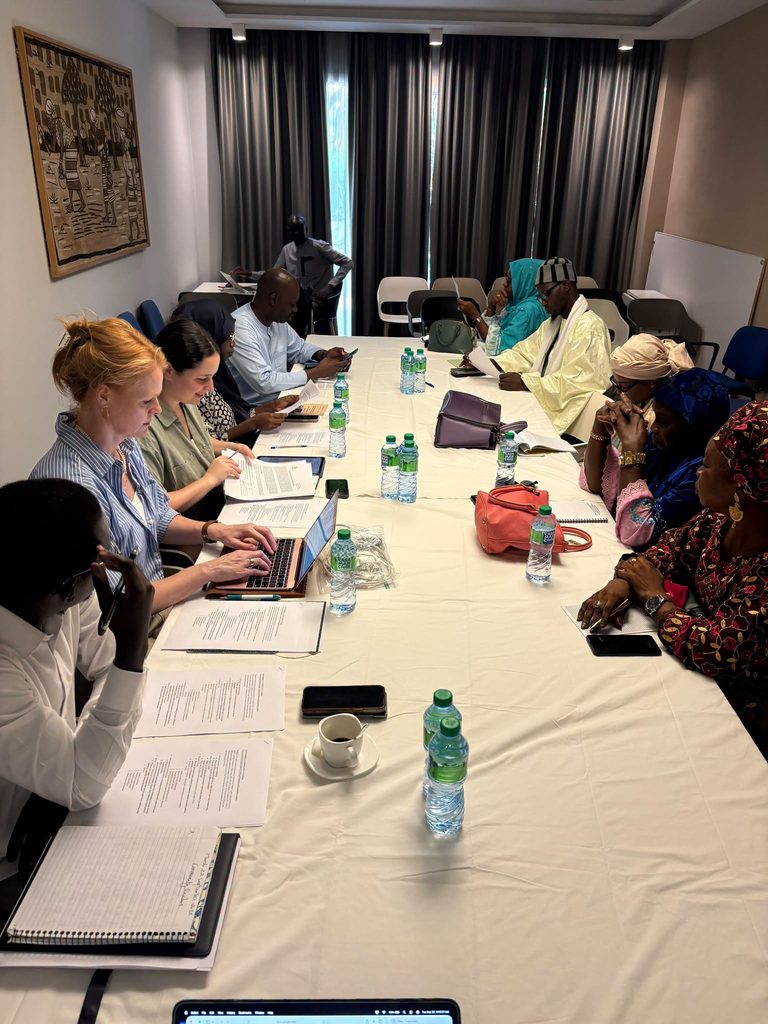
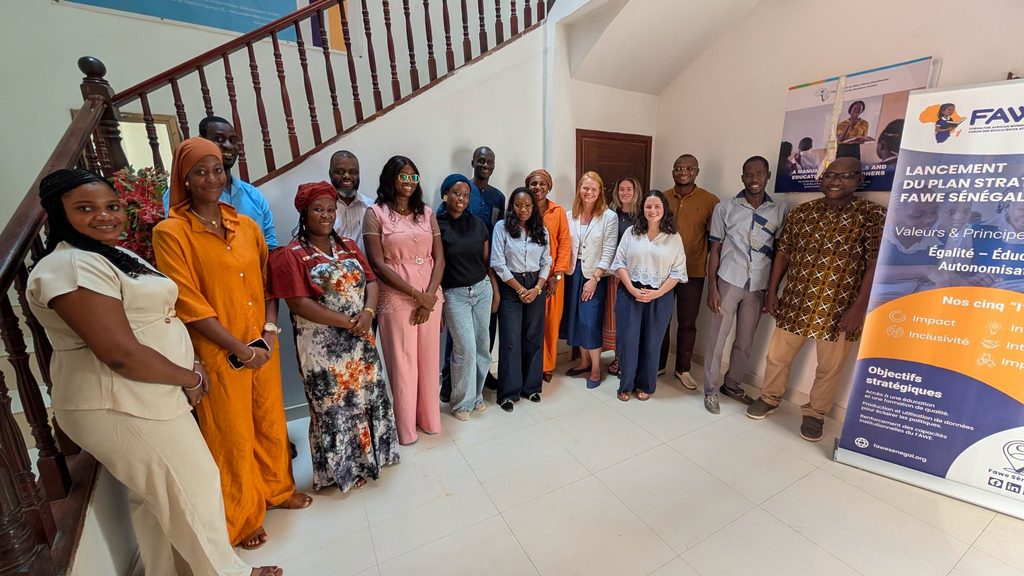
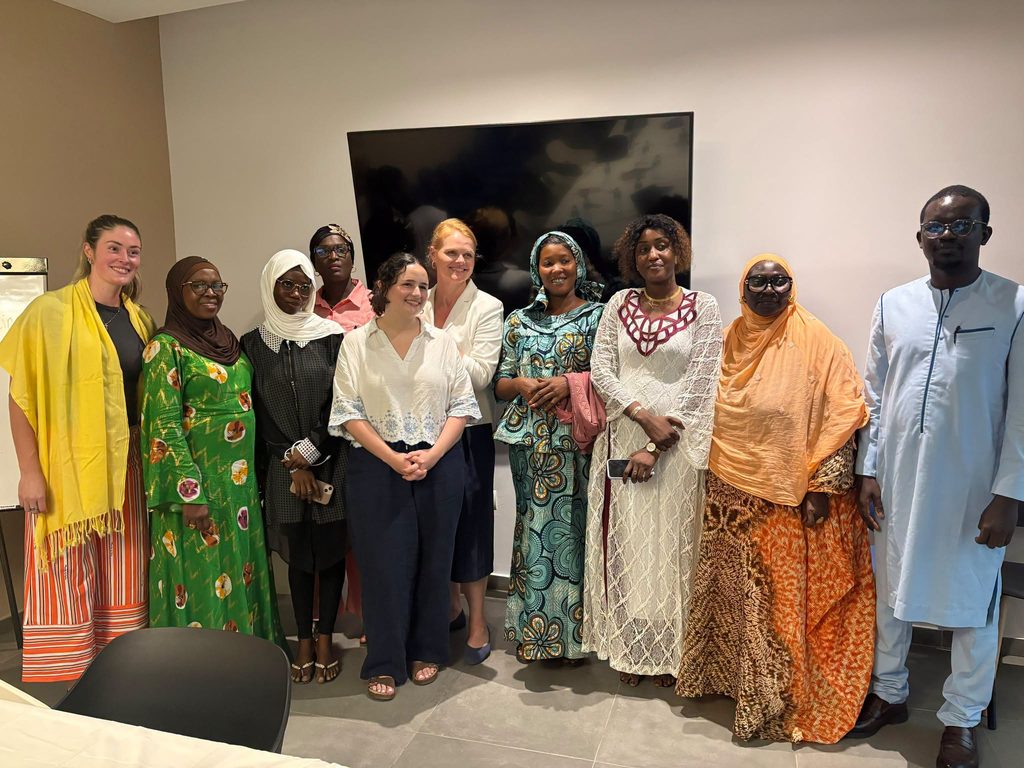
On 23 September 2026, a critical question echoed across Senegal’s research and policy landscape: women’s political participation was rising, but did greater political representation translate into greater safety, rights and opportunities for women and girls? To help explore this crucial issue, the FAWE Regional Secretariat, through the FAWE West and Central Africa Sub-Regional Office (FAWE WASRO), based in Senegal, partnered with the Capstone Team of the Elliott School of International Affairs at George Washington University on a landmark study titled “The Gap Between Women’s Political Participation and Gender Security in Senegal, from 2010 to Present.”
Examining the Links Between Representation and Real Change
The research explored the links between women’s political participation, education and living conditions, particularly following the adoption of Senegal’s 2010 Gender Parity Law. The study sought to understand whether increased representation in political institutions translated into tangible improvements in the safety, rights and opportunities available to women and girls across the country.
The initiative represented a significant step forward in evidence-based advocacy. It recognised that while representation was a critical first step, understanding how that representation translated into lasting change was equally important. The findings were expected to inform policies and actions that advanced the rights, safety, education and well-being of women and girls—in Senegal and beyond.
Data Collection Underway
Data collection was now underway. Individual interviews and focus group discussions took place through Friday, 25 September 2026, engaging relevant stakeholders and communities to capture diverse experiences and perspectives. The research process was designed to be inclusive and participatory, ensuring that the voices of those most affected by policy decisions were heard and reflected in the findings.
The evidence generated through this study would contribute to strengthening advocacy for policies and actions that advanced the rights, safety, education and well-being of women and girls. It would also provide a valuable resource for policymakers, civil society organisations and development partners working to promote gender equality and women’s empowerment in Senegal and across the region.
FAWE’s partnership with the Elliott School of International Affairs at George Washington University reflected its unwavering commitment to rigorous, evidence-based advocacy. By investing in research that examined the complex relationship between political participation and gender security, FAWE sought to ensure that its advocacy efforts were grounded in data, informed by lived experiences and responsive to the realities of women and girls.
Because representation mattered. But understanding how representation translated into lasting change mattered even more. Through this study, FAWE and its partners hoped to contribute to a deeper understanding of the barriers that persisted, the progress that had been made, and the pathways that could lead to a more equal and secure future for all women and girls in Senegal and beyond.