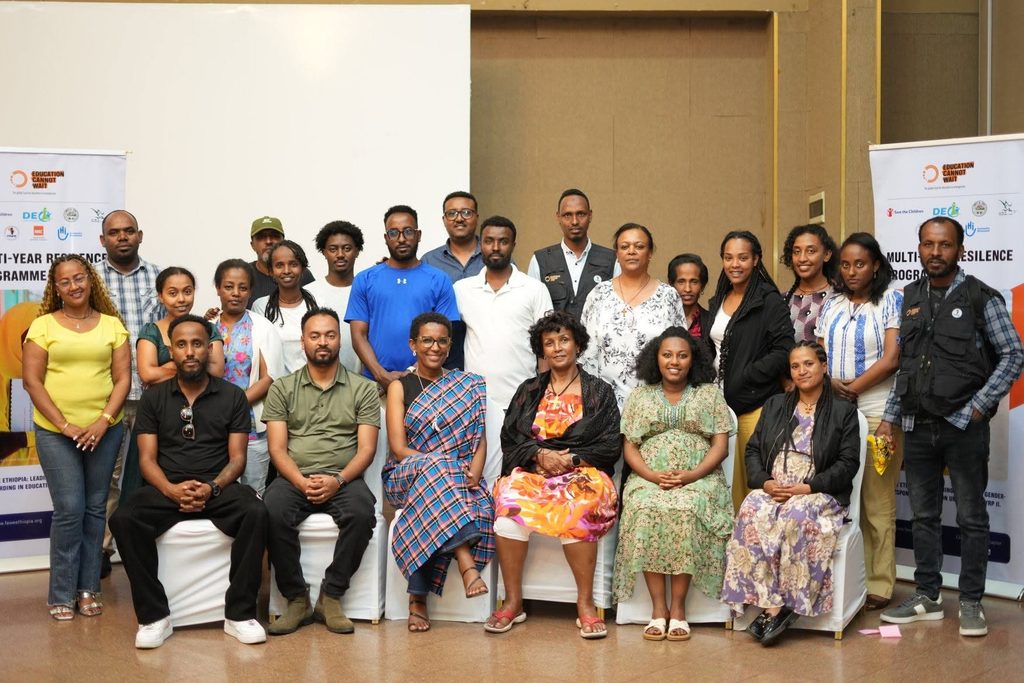
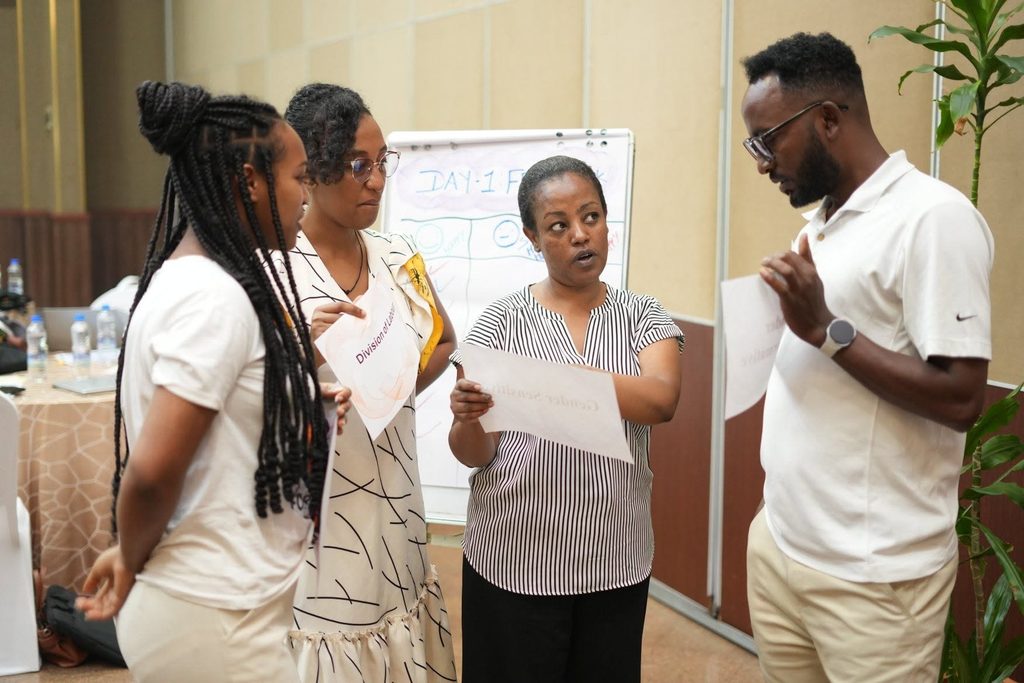
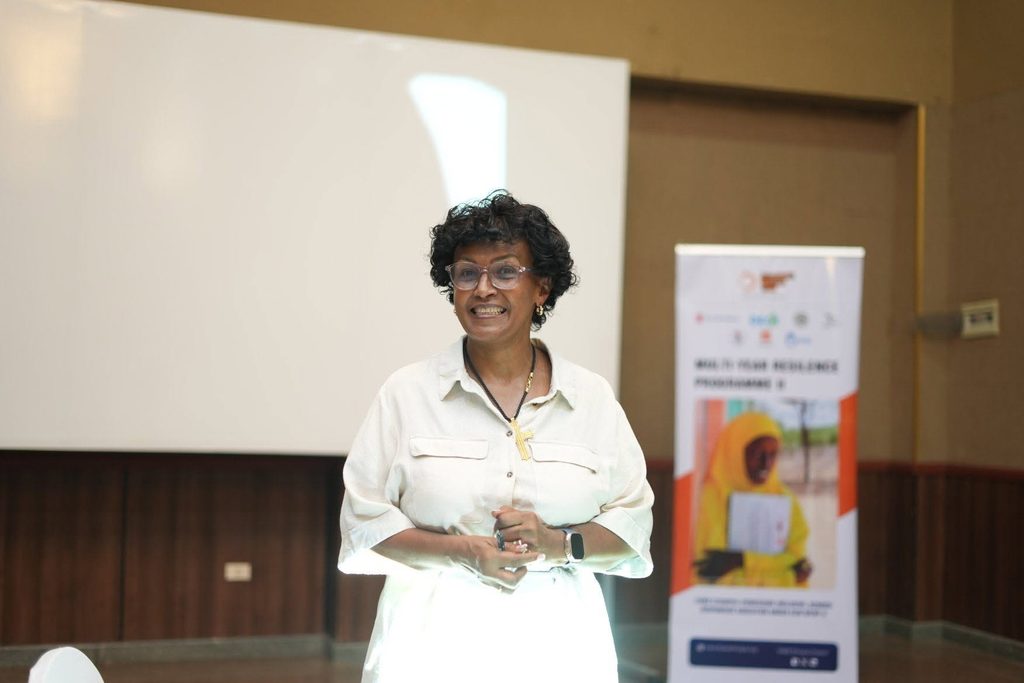
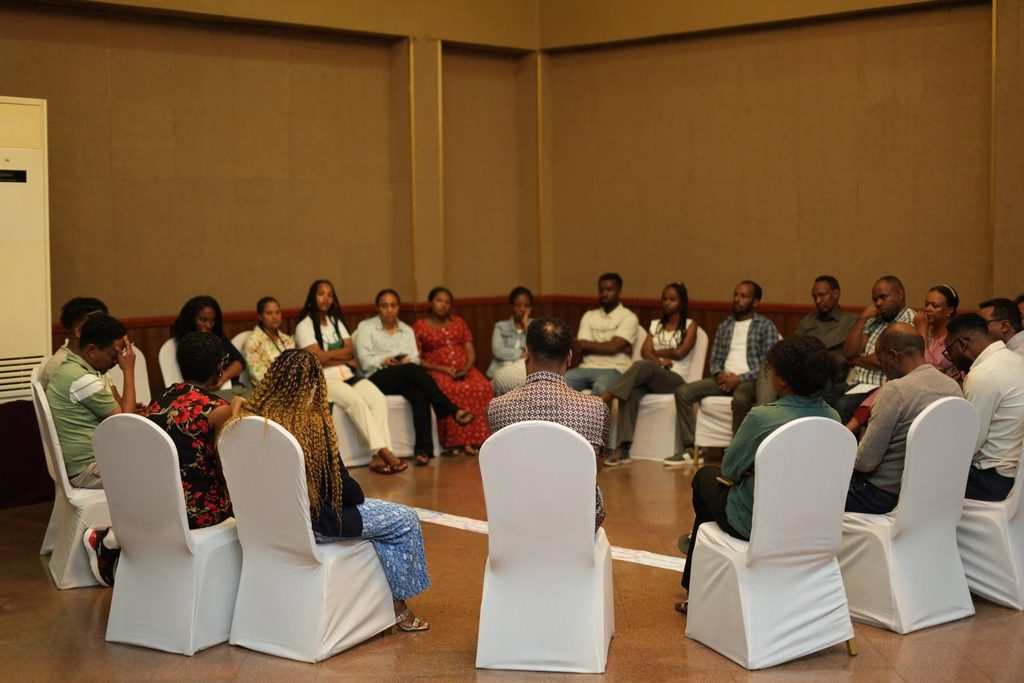
In September 2026, a transformative journey unfolded within FAWE Ethiopia. Through the Education Cannot Wait (ECW) Multi Year Resilience Program – II (MYRP II), FAWE Ethiopia conducted a three-day Gender-Transformative Capacity Strengthening Training for its staff, strengthening the knowledge and practical skills needed to embed gender equality, inclusion and accountability across organisational systems and programmes. The training represented a profound commitment to moving beyond rhetoric and embedding gender transformation into the very fabric of the organisation’s work.
The three-day session was far more than a standard training exercise. It was an immersive experience designed to equip staff with the tools, frameworks and mindset needed to advance gender equality in every aspect of their work. The sessions explored a comprehensive range of topics, each building on the last to create a holistic understanding of what gender transformation truly required.
Gender-transformative leadership and governance were at the heart of the discussions. Participants explored what it meant to lead with a gender lens, to govern with inclusivity and to create systems that actively challenged rather than reinforced existing inequalities. The conversation recognised that leadership was not merely about holding a position but about exercising influence in ways that advanced equity and justice.
Inclusive HR practices were examined as a critical component of organisational transformation. Participants learned how recruitment, retention, promotion and workplace culture could be designed to ensure that all staff, regardless of gender or background, could thrive. The discussion underscored that an organisation’s commitment to gender equality had to begin within its own walls.
Intersectional gender and power analysis provided participants with a framework for understanding the complex and overlapping forms of discrimination and disadvantage that individuals could face. By examining how gender intersected with other factors such as age, disability, ethnicity and socioeconomic status, participants gained a deeper appreciation of the nuanced realities of those they served.
Advocacy was explored as a powerful tool for change. Participants learned how to articulate clear and compelling messages, how to engage with decision-makers and how to build coalitions that could amplify their impact. The session reinforced that advocacy was not a solitary endeavour but a collective effort that required strategy, persistence and solidarity.
Gender-responsive budgeting was examined as a practical mechanism for ensuring that financial resources were allocated in ways that advanced gender equality. Participants explored how budgets could be analysed and designed to reflect the different needs and priorities of women, men, girls and boys, and how this could be a powerful driver of transformative change.
Feminist Monitoring, Evaluation, Accountability and Learning (FMEAL) was introduced as an approach that placed the voices and experiences of women and girls at the centre of learning and accountability processes. Participants learned how to design monitoring and evaluation systems that were not merely extractive but empowering, ensuring that those most affected by programmes were active participants in assessing their impact.
As the three-day training concluded, the FAWE Ethiopia team emerged with strengthened knowledge, enhanced skills and a renewed commitment to embedding gender transformation in all that they did. The training was not an end in itself but a catalyst for continued learning and action. It reflected FAWE Ethiopia’s understanding that true transformation required sustained effort, continuous reflection and a willingness to challenge one’s own assumptions and practices.