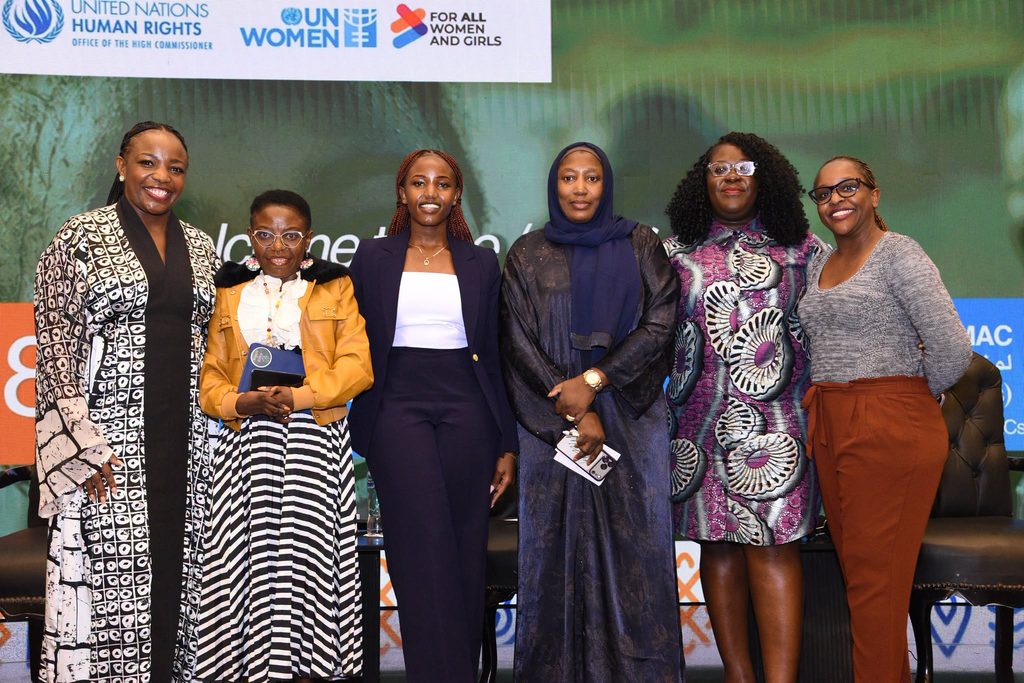
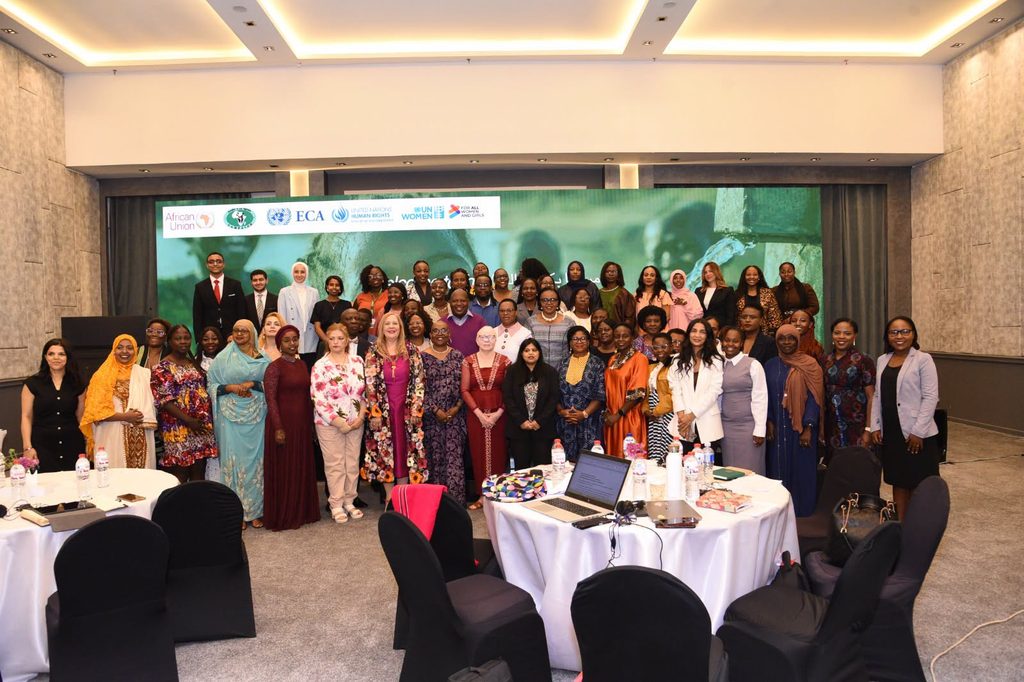
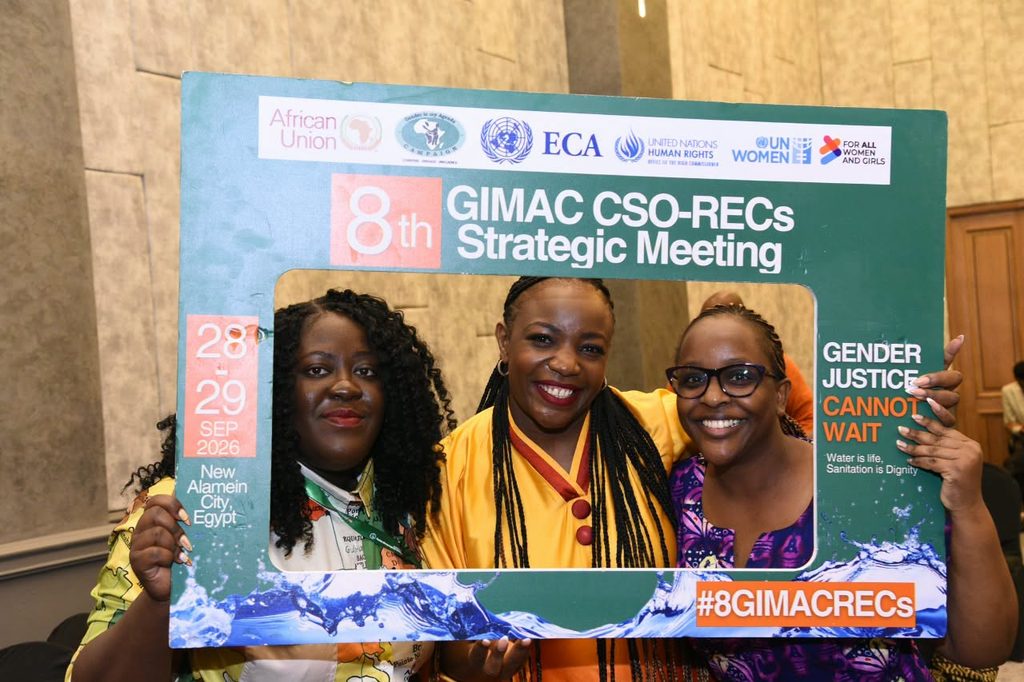
From 27 September to 1 October 2026, the historic city of New Alamein in Egypt played host to a defining moment in Africa’s pursuit of gender equality and sustainable development. The 8th GIMAC CSO–RECs Strategic Meeting convened a powerful assembly of civil society leaders, policymakers and young advocates. Among them stood FAWE Africa, whose voice and vision resonated across three days of transformative dialogue. The central and resounding message was clear: Africa could not achieve water security without gender equality.
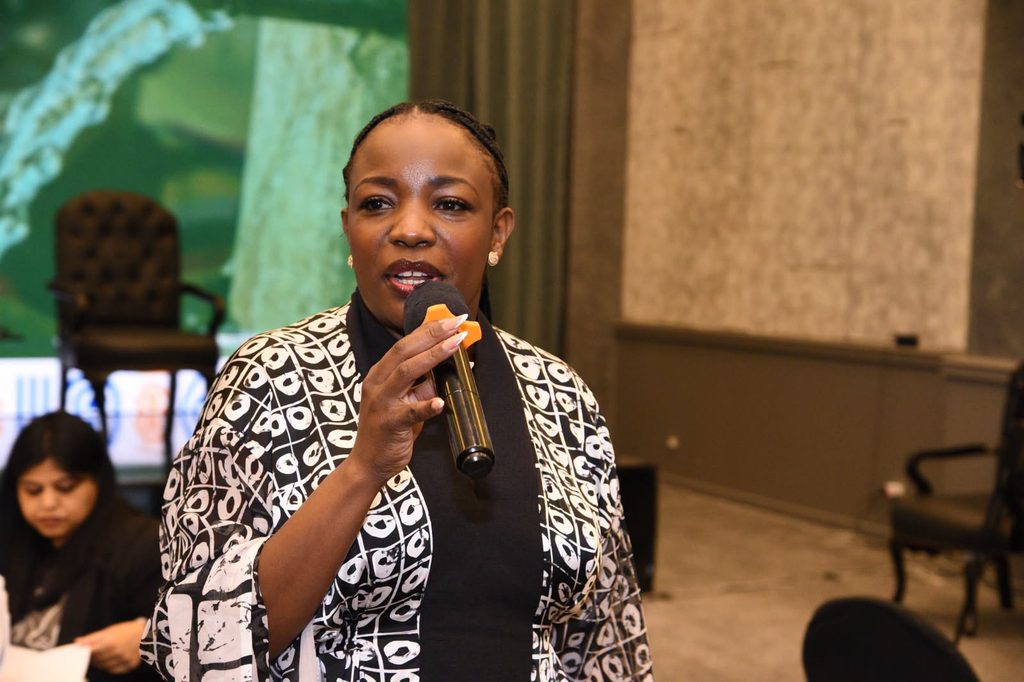
Elevating the Intersection of Education and WASH
Day one of the GIMAC Conference 2026 brought powerful conversations on water, sanitation and hygiene (WASH), gender equality, education and inclusion, and what it would take to ensure that no one was left behind. A key message from the discussions was that sustainable access to water and WASH facilities was essential to achieving the Africa We Want.
FAWE’s panel discussion explored the critical intersection between education and WASH, highlighting how inadequate and inaccessible WASH facilities could affect girls’ ability to attend, remain and succeed in school. The panel also underscored the need to ensure that women and persons with disabilities were not simply recipients of WASH services, but were meaningfully represented in decision-making and governance.
Other key reflections from day one included:
- Women had to have a stronger role in the governance and monitoring of water projects.
- Young people had to have a seat at the table, with programmes co-designed with them, not simply for them.
- WASH facilities and environments had to be assessed for disability inclusion and accessibility.
- Governments had to integrate menstrual health and hygiene into existing WASH and education structures.
- Better data was essential—adolescents were not a homogenous group, and data had to be disaggregated to reveal different needs and experiences.
- Education outcomes were also connected to agriculture and food security, making school feeding an important part of the conversation.
The discussions also generated important recommendations, including the establishment of a GIMAC working group on disability inclusion. As day one came to a close, one message stood out: WASH was not only about water and infrastructure. It was about education, dignity, health, gender justice, inclusion and the right of every girl to learn and thrive.
The Strategic Meeting: From Commitments to Implementation
As the 8th GIMAC CSO–RECs Strategic Meeting came to a close in New Alamein, Egypt, one message stood clear: water was about much more than infrastructure. For women and girls, access to safe and sustainable WASH was about time, dignity, safety, health, education, livelihoods and opportunity.
At FAWE, the understanding was firm: WASH and education were deeply interconnected. When girls spent hours collecting water, lacked safe sanitation at school, or could not access dignified menstrual hygiene facilities, their ability to attend, remain in and fully participate in education was affected. That was why women and girls had to be seen not only as recipients of water services—they had to be at the decision-making table. Their voices, experiences and leadership were essential to shaping water policies and investments that responded to the realities of their lives.
The conversations at GIMAC reinforced the need to:
- Invest in care-responsive WASH and reduce the disproportionate unpaid care burden on women and girls.
- Put women and girls at the heart of water governance and decision-making.
- Recognise WASH as an important enabler of girls’ education and lifelong opportunities.
- Ensure that WASH systems and decision-making spaces were inclusive of persons with disabilities.
- Use evidence and disaggregated data to ensure that policies responded to the diverse realities of women, girls and young people.
As the three days of dialogue ended, the real work began: moving from commitments to implementation, from recommendations to policies and budgets, and from consultation to meaningful influence. For FAWE, investing in water was also investing in girls’ education, agency and future.
When we invested in WASH, we invested in women and girls. When women and girls had a voice in water governance, we created stronger pathways to education, dignity and opportunity and moved closer to the Africa We Want.
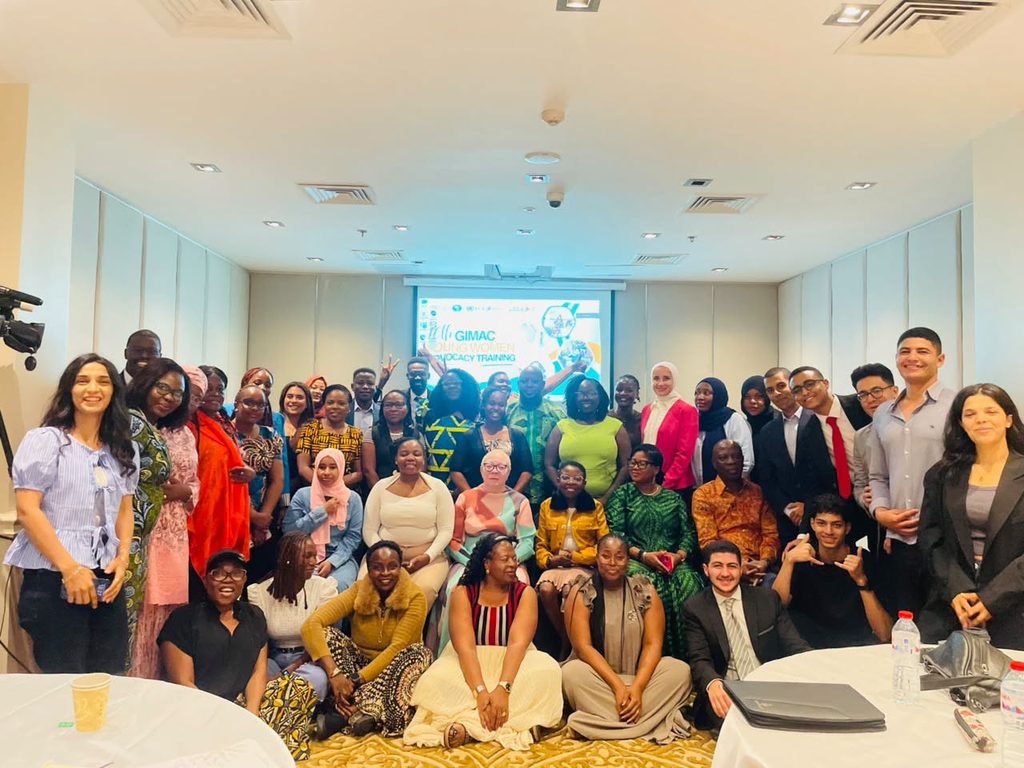
The 16th GIMAC Young Women Advocacy Training: Shaping the Next Generation of Leaders
The 16th GIMAC Young Women Advocacy Training set the stage for powerful conversations on gender-responsive WASH, disability inclusion, leadership and effective advocacy. A key message resonated throughout the day: women and girls were disproportionately affected by WASH crises, and women and girls with disabilities often faced even greater barriers. Safe sanitation was therefore not simply about infrastructure—it was about dignity, privacy, safety, gender justice and human rights.
Participants also explored what it took to turn lived experiences into clear, actionable advocacy asks. Through the advocacy exercise, they were challenged to identify the problem, explain why it mattered, propose a solution and, most importantly, clearly state who needed to act and what change was required. The day also reinforced that leadership started with listening, change could begin at community level, and women and young women had to have a seat at the tables where decisions were made.
One message stood out: “Disability is not inability.” Inclusion had to be intentional, specific and reflected in laws, policies and implementation. As the training came to a close, the question was not simply what had been learned, but what would be done with it. FAWE Africa remained committed to ensuring that the answer to that question translated into meaningful action, lasting change and a future where every woman and girl could learn, lead and thrive.